
Religion and everyday life
Egypt has one of the oldest recorded civilisations in the world, and many visitors go for the ancient sites. Knowing a little about daily life today will help you get around more easily and avoid causing offence.
Family ties and religious traditions influence many social customs, though attitudes vary between individuals and communities. The majority of the population is Muslim, and there is also a long-established Christian community, mainly Coptic Orthodox. Islam shapes much of daily life, from working hours to what is considered polite behaviour in public.
Visitors are not generally expected to observe Islamic worship or fasting, but should respect local customs and must follow Egyptian law. Polite conversation about religion is fine. Proselytising, or making remarks seen as insulting to religion, can lead to serious legal trouble.
During Ramadan, many Muslims fast from dawn to sunset, abstaining from food, drink and smoking. Many tourist hotels and resorts continue serving food and drink during the day, although opening hours and services may change. Elsewhere, avoid eating, drinking or smoking openly in the street during daylight hours. Shops, offices and some attractions may also keep different hours. Ramadan falls about 10 to 11 days earlier each year in the Gregorian calendar, and the exact dates can depend on moon sightings. Check the dates when you book, and confirm your arrangements nearer departure.
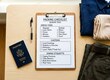
Generates a behaviour and dress code checklist tailored to your specific trip.
Try our Etiquette Packing Guide free, here on this site →What to wear and visiting religious sites
Dress expectations vary between resorts, cities and religious sites. Swimwear is generally acceptable at resort beaches and pools. Cover up when walking through other hotel areas, and check restaurant dress codes.
Away from beaches and resorts, loose clothing covering the shoulders and knees is a useful rule of thumb, particularly in more conservative areas. For women, tops that are not low cut, tight or see through are a sensible choice. For men, long trousers draw less attention than shorts outside tourist areas, and going shirtless away from the beach or pool can cause offence.
Parts of central Cairo and Alexandria can feel more relaxed, while smaller towns and rural areas in Upper Egypt tend to be more conservative. Light, loose clothing is practical in hot weather, and a light scarf is useful for women to carry.
Not all mosques admit non-Muslims, and access may be restricted even outside prayer times, so check locally before you go. Where visitors are allowed in, dress rules are stricter than on the street. Women should bring a headscarf and wear loose clothing covering their arms and legs. Men should wear long trousers and keep their shoulders covered. Check the mosque's requirements before entering. Some larger mosques lend or hire out robes and scarves, but it is safer to bring your own.
Shoes are removed before entering the prayer area, although you may be able to keep them on in courtyards or other parts of the complex. Also:
- avoid visiting during prayer times, especially Friday midday prayers
- keep your voice low and do not walk in front of anyone who is praying
- ask before taking photographs, and never photograph people praying without permission
- follow signs or staff guidance about areas reserved for men or women
Coptic churches and monasteries also expect modest clothing and quiet behaviour.
Your situation may be slightly different. ask a question below ↓ and our editorial team will reply with our advice.
Greetings, hospitality and money
Greetings often take time. A handshake is common between men. Between men and women, wait to see whether the other person offers a hand first, as some people prefer not to shake hands with the opposite sex for religious reasons. A greeting with your hand on your chest is a polite alternative.
If you are invited into someone's home, you may be offered tea, coffee or food. Accepting is usually seen as good manners, but a polite refusal is fine, particularly for dietary or health reasons. A small gift such as sweets or pastries is a kind gesture. Remove your shoes if your hosts do, and use your right hand for eating, passing items or giving money, as the left hand is traditionally seen as unclean.
Tipping, often called baksheesh, is part of everyday life. Porters, drivers, guides and toilet attendants may expect a small tip, though expectations vary. Carry small-denomination Egyptian pound notes. In restaurants, check whether a service charge has been added, but bear in mind that it does not necessarily replace a tip. Bargaining is normal in markets. Stay polite, and only start haggling if you intend to buy.
Photography and local laws
Public displays of affection, such as kissing or cuddling, are generally frowned upon, even between married couples. Same-sex affection carries greater risk. Same-sex sexual activity is not explicitly criminalised in Egypt, but other laws have been used against LGBT+ people. LGBT+ travellers should read the FCDO guidance before travelling.
Drink alcohol only in licensed premises. Drinking alcohol in the street or outside licensed venues is illegal and can lead to arrest.
Ask before photographing people, and check the FCDO's current guidance on photographing Egyptian citizens and children, as verbal agreement may not be enough. Photographing military sites, official buildings or strategic infrastructure, including the Suez Canal, can lead to arrest. Do not bring in or use a drone without the required permission, as this can have serious legal consequences.
Read the Foreign, Commonwealth and Development Office (FCDO) travel advice for Egypt on GOV.UK. It covers local laws, safety, entry requirements and areas where travel is not advised. For health, check the Egypt guidance on TravelHealthPro or Public Health Scotland's fitfortravel website, and seek individual advice from a GP, pharmacist or travel clinic, ideally at least eight weeks before departure. Rules can change, so check official sources close to your departure date.


and the best point for me was " putting Right hand on the heart for refusal "
it is true :)
but the 100 % Wrong phrase : { a high-quality compass (as it will allow a Muslim to always be directed to Mecca) }
Never do this , You will be called Idiot :)
I never see anyone giving compass as a gift here in Egypt :)
Thank You
Ask Travel Etiquette a question
Ask our editorial team a question and we will reply with our advice. Tell us as much about your situation as you can: the more detail you give, the more useful our answer can be.
You do not need to use your real name. Please do not include your full address, phone number, email address, or the names of other people. We may edit or remove identifying details for privacy and legal reasons.
Comments are moderated before publication.